
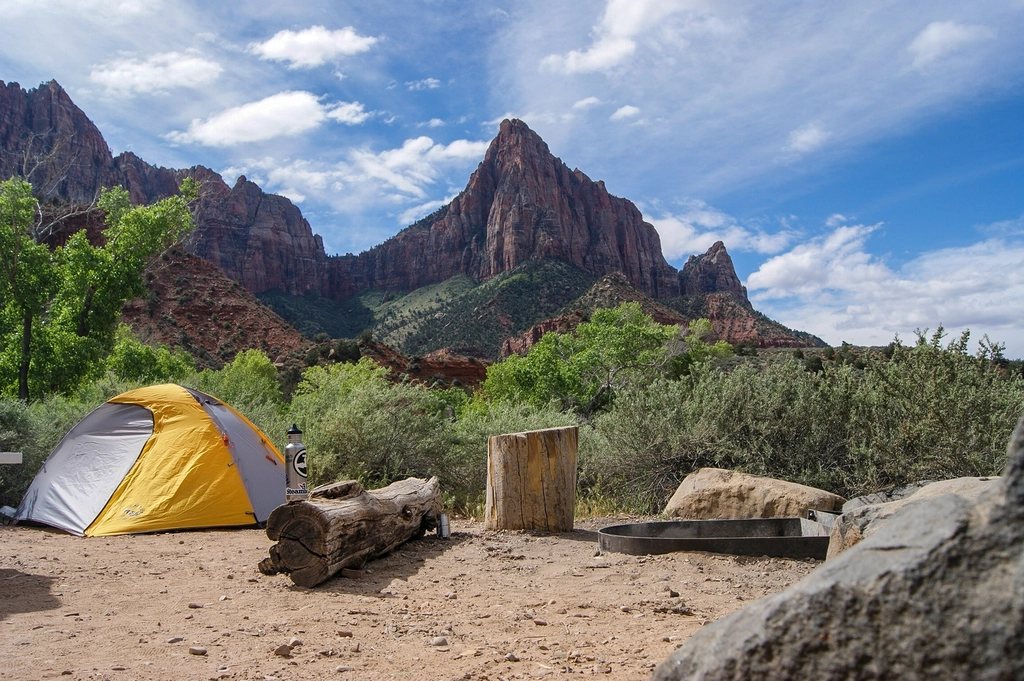
Canyon country is one of the best places we know to take children, and one of the easiest to get wrong. The scenery is so large that adults forget how small the people looking at it are; the distances between parks are long, the sun is unforgiving, and Bryce Canyon sits at an altitude that makes a six-year-old cranky by lunchtime. Get the pacing right, though, and the region hands out things a child will remember for life: a hoodoo shaped like a queen, a river you walk in, a sky with more stars than they knew existed. Here is how we do it.
Table of Contents
Plan for half-days, not days
The single most useful adjustment is to plan every day as two short sessions with a long, indoor or shaded gap between them. Morning from breakfast to about eleven, afternoon from four until sunset. In summer this is a matter of safety in the low country; the rest of the year it is simply how children work. The middle of the day is for the pool if you have one, the visitor centre, a nap, a river, or the car between two places. This also solves the driving problem, because a two-hour transfer at one in the afternoon costs you nothing worth having.
Short trails that actually deliver
Every park here has a handful of walks under 2 miles (3 km) that give a child the full experience without the meltdown. These are the ones we come back to:
- Bryce, the rim between Sunset and Sunrise Points: 1 mile (1.6 km) each way, paved, nearly flat, hoodoos the whole time. Stroller-friendly. Turn back whenever you like.
- Bryce, Queen’s Garden: 1.8 miles (2.9 km) round trip and about 320 feet (100 m) down and back up among the hoodoos. The gentlest way into the amphitheatre, and the climb out is the test of whether older children are ready for more.
- Bryce, Mossy Cave: 0.8 miles (1.3 km) round trip from the highway east of the park, with a small waterfall in summer and a grotto that holds ice into spring. Low effort, high delight.
- Zion, Riverside Walk: 2.2 miles (3.5 km) round trip on pavement along the river to where the canyon walls close in. Children want to paddle at the end; let them, in low water.
- Zion, Lower Emerald Pool: 1.2 miles (1.9 km) round trip to a dripping alcove behind a thin waterfall. Slippery near the pool.
- Capitol Reef, the petroglyph boardwalk and the orchards: barely a walk at all, but ancient carvings on a cliff and fruit you can pick in season are the two things our children still talk about.
Save the natural bridge at Capitol Reef, 1.8 miles (2.9 km) with a real climb, and the full Navajo Loop at Bryce for children of eight and up who have already done a short one happily.
Junior programmes and the power of a badge
The national parks and many of the state parks run a junior programme for children: pick up a free activity booklet at the visitor centre, complete a set of pages suitable for the child’s age, usually a mix of drawing, observation and a talk or walk with a ranger, then bring it back to be sworn in and given a badge. It is free, it takes an hour or two spread over a visit, and it works. Children who would have trudged past a viewpoint will hunt for the three kinds of tree they need to identify. Collecting a different badge from each park is a motivation that carries a whole loop. Ranger talks, geology walks and, at Bryce, the evening astronomy programmes in season are all free and pitched at a level that includes children; ask at the desk what is on that day.
Heat: the rule you do not bend
Children overheat faster than adults and complain about it later. In the low parks from June to September, we do not start a walk with children after nine in the morning, full stop, and we carry more water than we think we need: a litre per child per two hours of walking is a starting point, with salty snacks to go with it. Wide-brimmed hats, long sleeves in light fabric, and sunscreen on the back of the neck and the tops of the ears. The signs of trouble are quietness, flushed skin and a child who stops asking questions; the response is shade, water and the end of the walk. Zion’s river is the great summer equaliser: a family that spends its afternoons wading is a family whose children sleep at night.
Altitude: why Bryce makes small people tired
Bryce’s rim is at 8,000 feet (2,400 m) and its highest viewpoints above 9,000 feet (2,750 m). The air holds about a quarter less oxygen than at sea level, the sun is stronger, and the humidity is close to nothing. Most children notice nothing beyond breathlessness on the climb out of the amphitheatre, but some, particularly those who arrived the same day from sea level, get headaches, poor sleep and a short temper on the first night. Arriving via Zion or Kanab, which are much lower, and spending a night at 6,000 feet (1,800 m) in Tropic or Panguitch before sleeping at the rim, takes most of that away. Water helps more than anything; so does not scheduling the biggest walk for the first morning. If a child is vomiting, unusually drowsy or has a headache that does not ease with rest and drink, go down; the road to Tropic drops 1,500 feet (450 m) in fifteen minutes.
The rest of the kit
Beyond water and hats, the things that have saved a day for us: a real fleece for every child, because Bryce evenings are cold in every month; closed-toe sandals or water shoes for the river; a headlamp each for stargazing and for the walk back from a sunset viewpoint; a paper map of the park, which children love to hold and which works when the phone does not; and a cheap set of binoculars, for ravens, for climbers on the Zion walls and for the moon. Keep the car stocked with a cool box, because base towns are small and restaurants close early, and remember that the drive between parks is itself part of the trip: a child who has been told to watch for the road along the Hogback, with drops on both sides, will not be asleep when you reach it.
Above all, go slower than you would alone. A child does not need Sunset Point, Bryce Point, Inspiration Point and Rainbow Point in one morning. One hoodoo, looked at properly, is enough.
Read next: Salt Lake City to Zion National Park: Planning the Drive and the Last Miles