
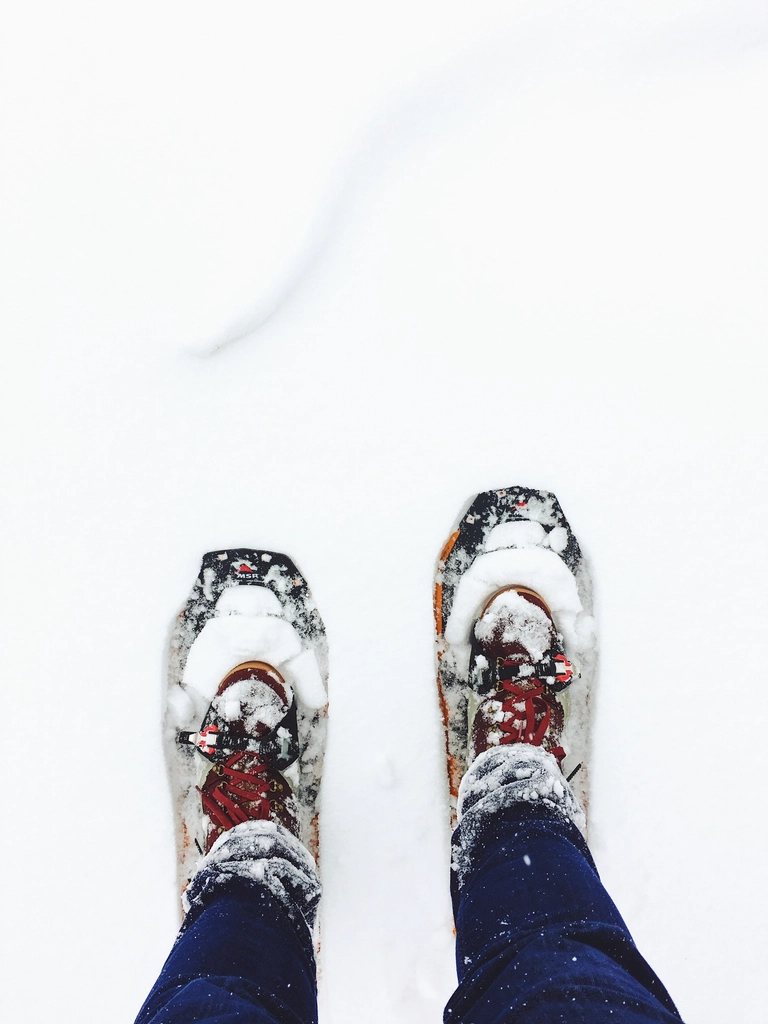
Most people picture Bryce Canyon in summer light, but the version we return to most often is the one in January. The hoodoos wear caps of snow, the rim is silent, the sky at night is the clearest of the year, and the temperature drops to numbers that make you plan carefully. Winter here is not a compromise. For anyone willing to dress for it, it is the park at its best.
Table of Contents
What winter at 8,000 feet actually feels like
Bryce sits between 8,000 and 9,100 feet (2,400 and 2,780 metres), and it is one of the coldest places in Utah. January daytime highs average around 36 degrees F (2 degrees C), and overnight lows average close to 9 degrees F (minus 13 degrees C). Cold snaps take the rim to minus 15 degrees F (minus 26 degrees C) and occasionally lower, with records well below minus 20 degrees F. The park receives about 85 to 100 inches (215 to 250 centimetres) of snow in a typical winter, most of it between December and March.
The saving grace is the sun. Southern Utah winters are dry and bright, and a still, sunny afternoon at 30 degrees F feels genuinely pleasant on the rim. The hard part is the transition: the moment the sun drops behind the plateau the temperature falls ten or fifteen degrees in half an hour, and by full dark the cold is serious. Plan every winter outing around that edge.
Snowshoeing the rim
The Rim Trail between Sunrise and Sunset Point, about half a mile (0.8 kilometres) of nearly flat walking, is the natural starting point. It is usually packed by foot traffic, and many days you can walk it in boots with traction spikes. On fresh snow, snowshoes make it a different experience: you can wander a few metres back from the packed line and stand alone above the amphitheatre in complete silence.
For longer outings, the park closes two roads to vehicles in winter and grooms or leaves them open for snowshoes and cross-country skis. Fairyland Road runs about a mile (1.6 kilometres) from the main road out to Fairyland Point, and Paria View Road leads roughly a mile to the quiet overlook of the same name. Both are gentle, follow an obvious corridor and end at a view. The Rim Trail south from Inspiration Point to Bryce Point is also snowshoe-friendly but steeper and more exposed to wind. The park lends snowshoes for its ranger-guided winter walks, which typically run on winter weekends when snow allows; check the programme when you arrive.
The trails below the rim in winter
Going down into the amphitheatre in winter is possible and beautiful, but it demands respect. The Wall Street section of the Navajo Loop is closed most of the winter because of falling ice and rock; the Two Bridges side stays open. The Queen’s Garden trail is usually passable with traction spikes and poles, and the snow-laden hoodoos at eye level are a rare sight. Trails below the rim are icy where the sun does not reach and slushy where it does, and the climb back out is harder in the cold. We keep winter descents short and finish well before the light goes.
Nights: the clearest sky of the year
Winter air over the plateau is cold, dry and remarkably steady, and the nights are long. Astronomical darkness falls by about 7 p.m. in January, so you can have a full hour under the stars and still be back indoors before nine. The summer Milky Way core is gone, but Orion, the Pleiades and the bright winter arm of the galaxy stand high overhead, and on a moonless night the snow reflects enough starlight to walk the rim without a headlamp.
The park’s astronomy programmes wind down in winter, so a night out is a self-guided affair. Our approach is deliberately modest: dress for a mountain summit, walk the paved rim to Sunset Point or Inspiration Point, stay twenty or thirty minutes, and go back. In still air at 5 degrees F (minus 15 degrees C) that is plenty; in wind it is too long. A full moon on fresh snow is a different kind of night entirely, when the whole amphitheatre glows blue-white and you can see individual hoodoos across the bowl.
Dressing and driving for real cold
The mistake we see most often is people arriving from Las Vegas or St. George in the clothes that were right for 60 degrees F that morning. At the rim in January those clothes are dangerous after dark. What works:
- Layers: a warm base, an insulating mid-layer and a windproof shell. Down or synthetic insulation for standing still.
- Extremities: insulated boots, thick socks, a real hat and gloves you can operate a camera in, with mittens over them for the rim.
- Traction spikes and poles for any trail, and snowshoes for anything off the packed line.
- A thermos, a headlamp with fresh batteries (cold drains them fast), and a car with a full tank and an ice scraper.
Roads are ploughed but can be icy, especially the scenic drive south of Bryce Point, which may close after storms. Highway 12 over the pass between Bryce and Escalante and Highway 14 up from Cedar City both cross terrain above 9,000 feet (2,745 metres) and can be difficult in a storm. Check road conditions the morning you travel and carry chains or have winter tyres if you are heading in from the west.
Why January is worth it
The obvious reason is the emptiness. Bryce sees more than two million visitors a year, and the overwhelming majority come between May and October. In January a viewpoint that holds a hundred people at a summer sunrise may hold three. Accommodation is easier and cheaper, the roads are calm, and the people you meet on the rim are there because they wanted to be.
The less obvious reason is the quality of the place. Snow softens the hoodoos and sharpens their colour. The silence is complete: no traffic, no voices, sometimes only the sound of your own snowshoes. And the cold, once you are dressed for it, has its own clarity. We have stood on the rim at minus 15 with the stars overhead and the snow blue beneath us and thought that this, not summer, is the true Bryce Canyon.